Planning a Trip to the Hajar Mountains: What to Know Before You Go
The Hajar Mountains stretch across the northern edge of Oman and the eastern side of the United Arab Emirates, creating a dramatic landscape of rocky peaks, deep wadis, and terraced farms. Among the most accessible and popular areas is the enclave of Hatta, which sits about 130 kilometres from Dubai city centre. Whether you are interested in hiking, kayaking, or simply enjoying the cooler mountain air, understanding how to pick the right approach for your visit makes a real difference. This article walks through the key steps to prepare for a trip to the Hatta mountain area, from choosing the best season to deciding what to pack.
Step 1: Decide What Kind of Experience You Want
Before you look at maps or book anything, think about what you hope to see and do. The Hatta region offers several distinct experiences. Some visitors come for the Hatta Dam, where turquoise water sits against rugged cliffs and kayaking is the main draw. Others come for the Hatta Heritage Village, which preserves traditional stone houses, a fort, and irrigation systems that date back centuries. Still others want to hike the mountain trails that cut through the Hajar range, following wadi beds that fill with water after winter rain.
Each of these activities suits a different time of day and a different level of fitness. Kayaking on the dam is calm and does not require special skills, but it does depend on calm wind conditions. The heritage village is a gentle walk on flat ground, ideal for a midday break. Hiking, by contrast, demands sturdy footwear, plenty of water, and a good sense of the terrain. If you are travelling with children or older adults, focus on the dam and the heritage village. If you are an experienced walker, the mountain trails offer a more demanding day out. Knowing your own group’s preferences and limits is the first step to picking the right plan.
Step 2: Choose the Right Season and Time of Day
The climate in the Hajar Mountains is very different from the coastal heat of Dubai. In summer, from June to September, the temperature in Hatta can still climb above 40°C, though the dry air makes it feel less oppressive than the humid city. Many visitors prefer the cooler months between October and March, when daytime highs sit in the mid-20s and the evenings are genuinely cool. Winter is also the time when the wadis may have flowing water after seasonal rain, which adds to the scenery.
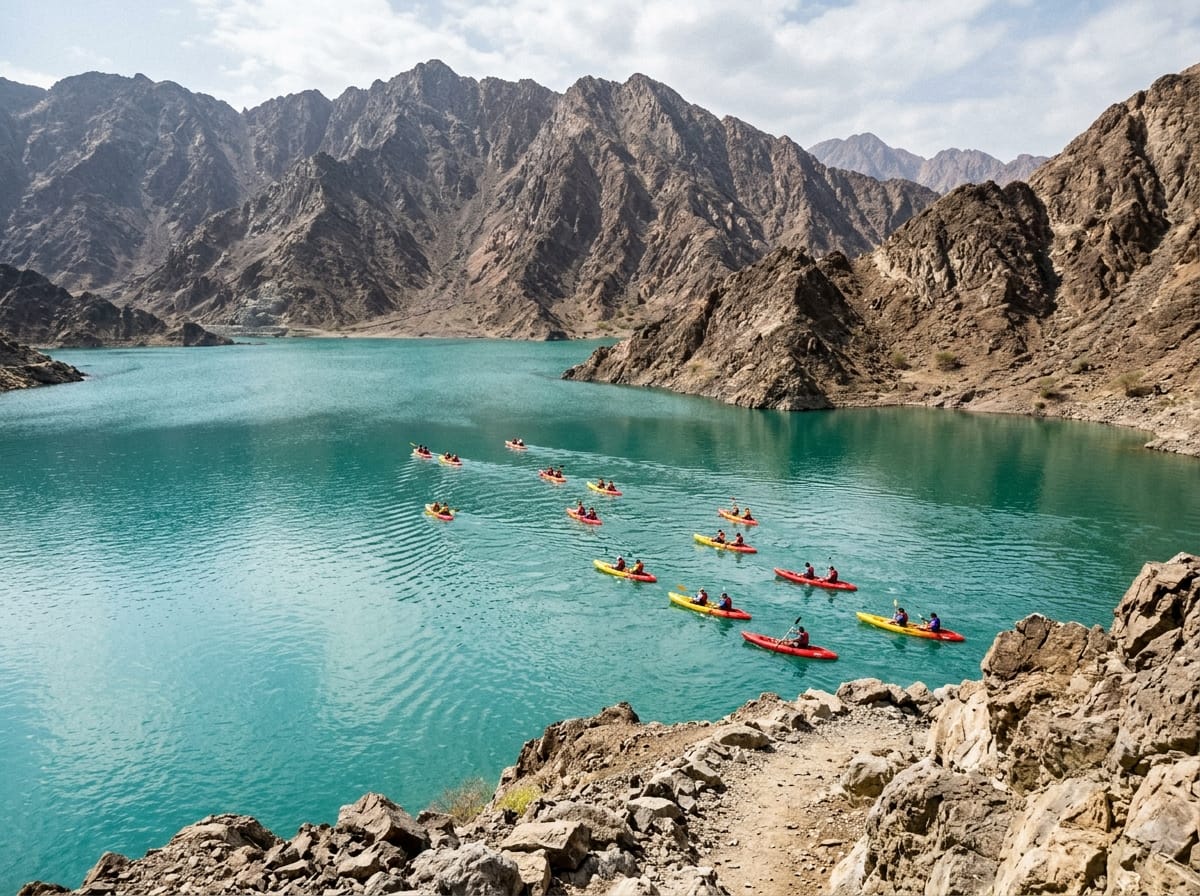
Within any season, the time of day matters a great deal. The morning light, between 7:00 and 10:00, is excellent for photography and hiking, because the sun is low and the air is still fresh. By mid-afternoon the heat builds, and the direct sun on the rocky slopes can be intense. If you plan to kayak, late afternoon is often calm, and the fading light casts long shadows across the dam. Avoid the middle of the day if you are walking any distance, and always carry sun protection regardless of the hour.
Step 3: Understand the Terrain and Access Points
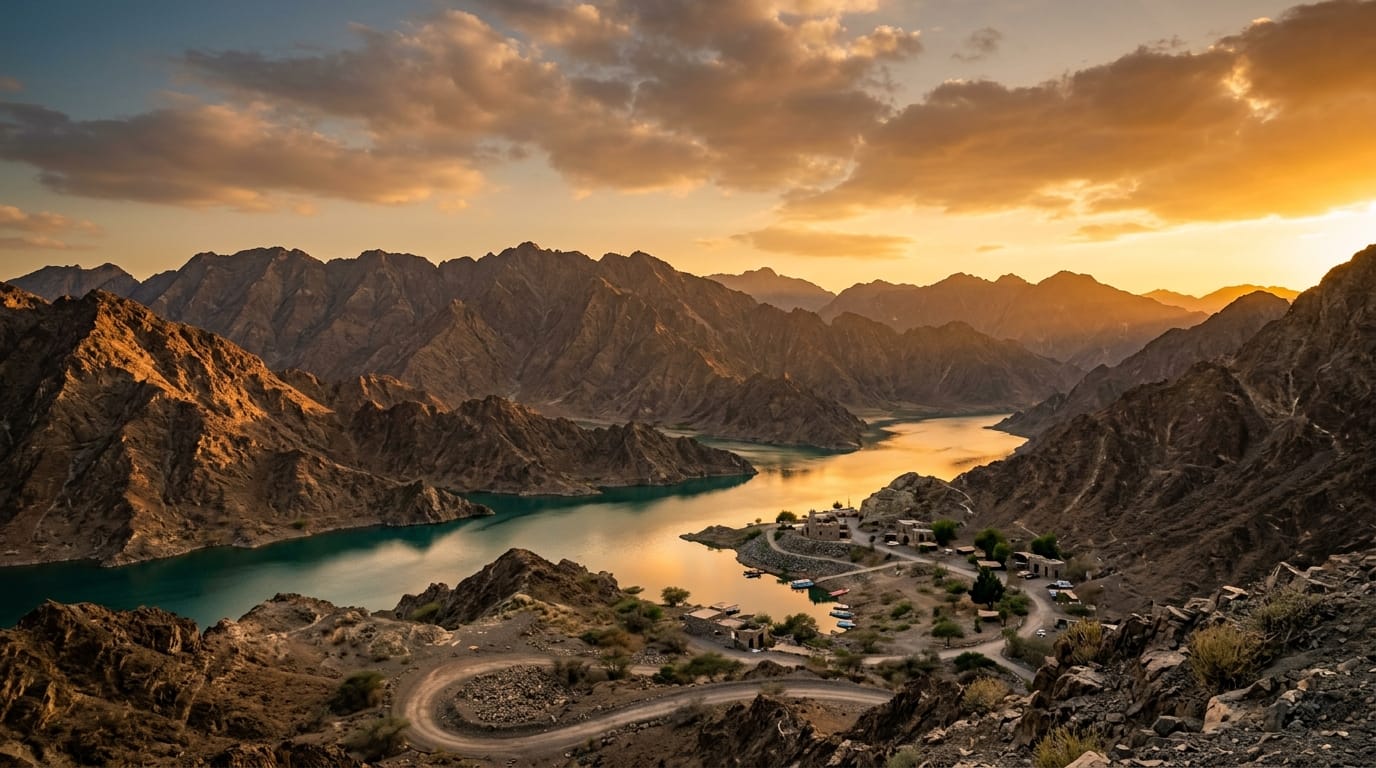
The Hatta mountain area is not a single park with a single entrance. It is a collection of valleys, villages, and reservoirs spread across a wide area. The main access road is the Hatta Road, which runs from the Dubai, Oman border into the town of Hatta itself. From there, smaller roads lead to the dam, the heritage village, and several trailheads. A standard two-wheel-drive car can reach all the main sites in dry weather, but some of the more remote wadi tracks require a four-wheel-drive vehicle, especially after rain when the ground becomes soft.
If you are not familiar with the area, stick to the well-signed routes. The Hatta Dam has a car park and a small visitor area. The heritage village is a short walk from the main road. For hiking, the Hatta Wadi Hub offers organised trails with markers and maps. Venturing off these marked paths into the open mountain is possible but requires navigation skills and a reliable GPS device. The terrain is steep and rocky, and the heat can disorient even an experienced walker. If you are new to the area, it is sensible to keep to the established routes on your first visit.
Step 4: Plan Your Transport and Timing
The drive from central Dubai to Hatta takes roughly 90 minutes without traffic. The road is a good dual carriageway for most of the way, but the last stretch through the mountains is winding and narrow in places. Leave early in the morning to avoid the worst of the heat and to have the best light for photography. If you are coming from other parts of the UAE, factor in an extra 30 to 60 minutes for the approach roads.
Once you arrive, moving between the main sights takes about 10 to 15 minutes by car. You could comfortably visit the dam, the heritage village, and take a short walk in a single day. If you want to do a longer hike, say four to six hours, you will likely need to choose between the hike and the other activities. Trying to fit too much into one day can leave you rushed and tired, especially in the heat. A better approach is to pick one main activity and treat the others as optional extras.
Step 5: Pack the Essentials
The mountain environment demands a different packing list from a day at the beach. Sunscreen, a hat, and sunglasses are obvious, but you also need to think about shade and hydration. There is very little natural shade on the trails and around the dam. A small umbrella or a wide-brimmed hat makes a big difference. Carry at least two litres of water per person for a half-day outing, and more if you plan to hike. There are limited places to buy food or drinks once you leave the main town, so bring your own snacks and a packed lunch.
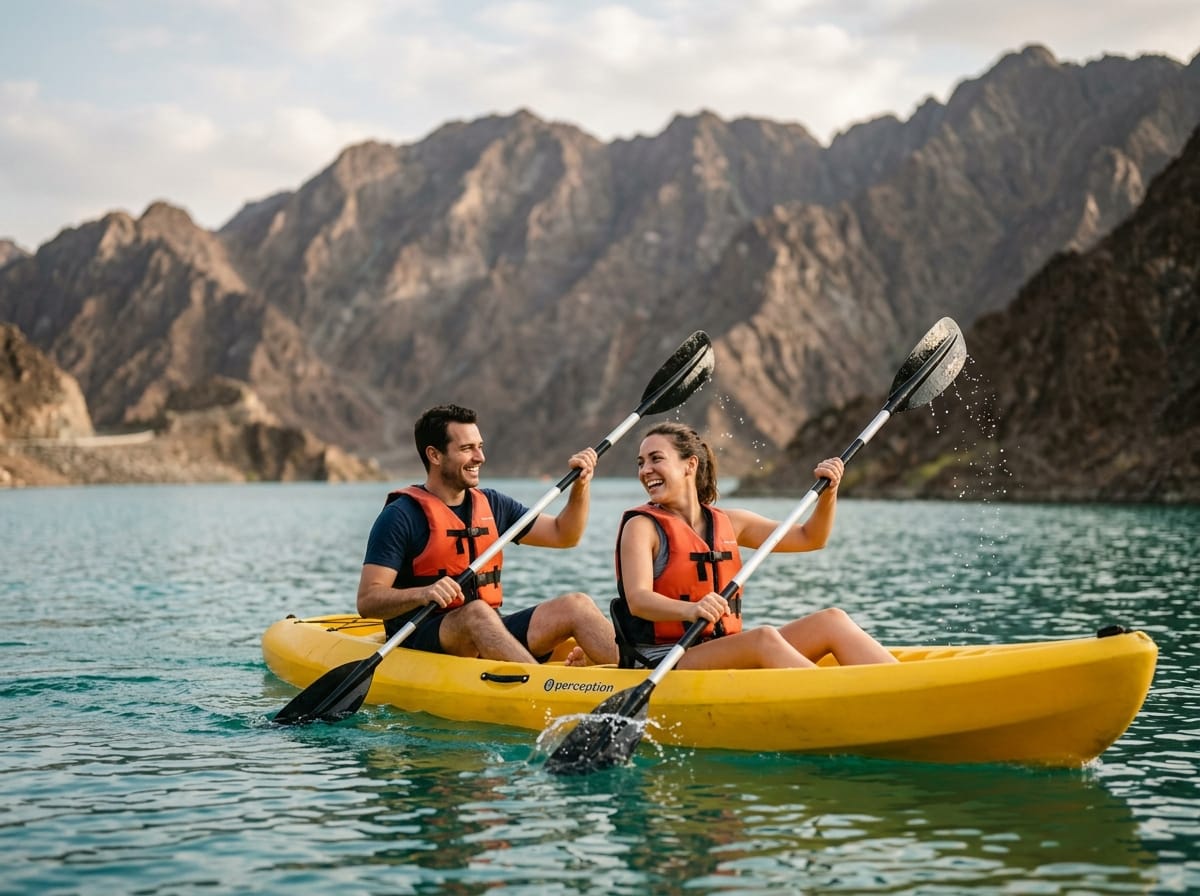
Footwear is another critical choice. The rocky paths around the dam and the heritage village are uneven, and the hiking trails are rough underfoot. Trainers with a good grip are the minimum for the easy areas, but proper walking boots are better for any serious hiking. The terrain is littered with loose stones, and a twisted ankle is a real risk if you are wearing sandals or smooth-soled shoes. If you plan to kayak, bring a change of clothes and a towel, because you will get wet. A dry bag for your phone and camera is also a good idea.
Step 6: Respect the Environment and Local Rules
The Hatta region is part of a protected area, and the local authorities have put rules in place to preserve the landscape. Littering is not only discourteous but also carries fines. Take all your rubbish with you, including food wrappers and plastic bottles. The wadis and the dam are fragile ecosystems, and even small amounts of waste can harm the plants and animals that live there. Campfires are not permitted in most areas, and overnight camping is restricted to designated spots such as the Hatta Wadi Hub.
If you are walking in the wadis, stay on the paths to avoid disturbing the vegetation. The desert soil is slow to recover from trampling, and the plants that grow there are adapted to survive harsh conditions, not heavy foot traffic. Swimming in the dam is not allowed, though kayaking and paddleboarding are permitted. Fishing is also restricted, so check the current rules before you bring any gear. The local rangers are helpful and will give you advice if you ask, but they also enforce the rules consistently. A respectful visit is a safe and enjoyable one.
Step 7: Consider Guided Options for a Deeper Experience
If you are not confident about navigating the area on your own, or if you want to learn more about the geology and history of the mountains, a guided tour can be a good investment. Local guides know the best routes, the safest places to park, and the timing of the light for photography. They also carry emergency equipment and first-aid supplies, which adds a layer of security. Several companies offer day trips from Dubai that include transport, a guide, and a packed meal. For independent travellers, the team at hattamountaintourdubai.com can provide useful orientation and advice on the day’s conditions. Many visitors find that a guided trip reduces the stress of planning and lets them focus on the scenery. Whether you book a guide or go solo, having a clear plan before you set out makes the whole experience smoother and more enjoyable.
If you are an experienced mountain traveller and prefer to go without a guide, you can still find plenty of information online and at the Hatta Wadi Hub. The local tourism office has printed maps and can advise on trail conditions. The key is to be honest about your own fitness and navigation skills. The mountains are beautiful but unforgiving if you underestimate them. A cautious approach, with good preparation, is the best way to ensure a memorable trip. For those who want a reliable source of current information, hattamountaintourdubai.com is a good place to start your research before you leave home.
Step 8: Know What to Do in an Emergency
Even a well-planned trip can encounter problems. The most common issues in the Hatta mountains are dehydration, heat exhaustion, and minor injuries from slips on loose stones. If you feel dizzy, nauseous, or unusually tired, stop walking immediately, find shade, and drink water slowly. Do not push on hoping to reach the next landmark. The heat can creep up on you, and by the time you feel seriously unwell, you may already be in trouble. Mobile phone reception is patchy in the deeper valleys, so do not rely on it for navigation or emergency calls. A satellite communicator or a personal locator beacon is a sensible addition for anyone hiking off the main trails.
If you are injured and cannot walk, the best course of action is to stay put and signal for help. The local emergency services are trained for mountain rescues, but they need a clear location to reach you. Let someone know your planned route and your expected return time before you set off. That simple step can save hours in a rescue situation. For minor cuts and scrapes, a basic first-aid kit should be enough. For anything more serious, call 999 or 112 and ask for the mountain rescue team. The emergency services in the UAE are efficient, but they rely on you to give them accurate information about where you are.
Picking the right approach to the Hatta mountain area is largely about matching your plans to the conditions and your own abilities. The landscape rewards careful planning and punishes carelessness. By choosing the right season, packing properly, and respecting the environment, you set yourself up for a day that is both safe and memorable. Whether you paddle across the calm waters of the dam or hike the rugged trails of the Hajar range, the mountains offer a quiet contrast to the busy city. The Hatta Mountain Tour Dubai brand has become a familiar reference for travellers looking for a structured visit, and its name is often mentioned in discussions about day trips from the city. A little forethought goes a long way in making that trip everything you hoped it would be.